
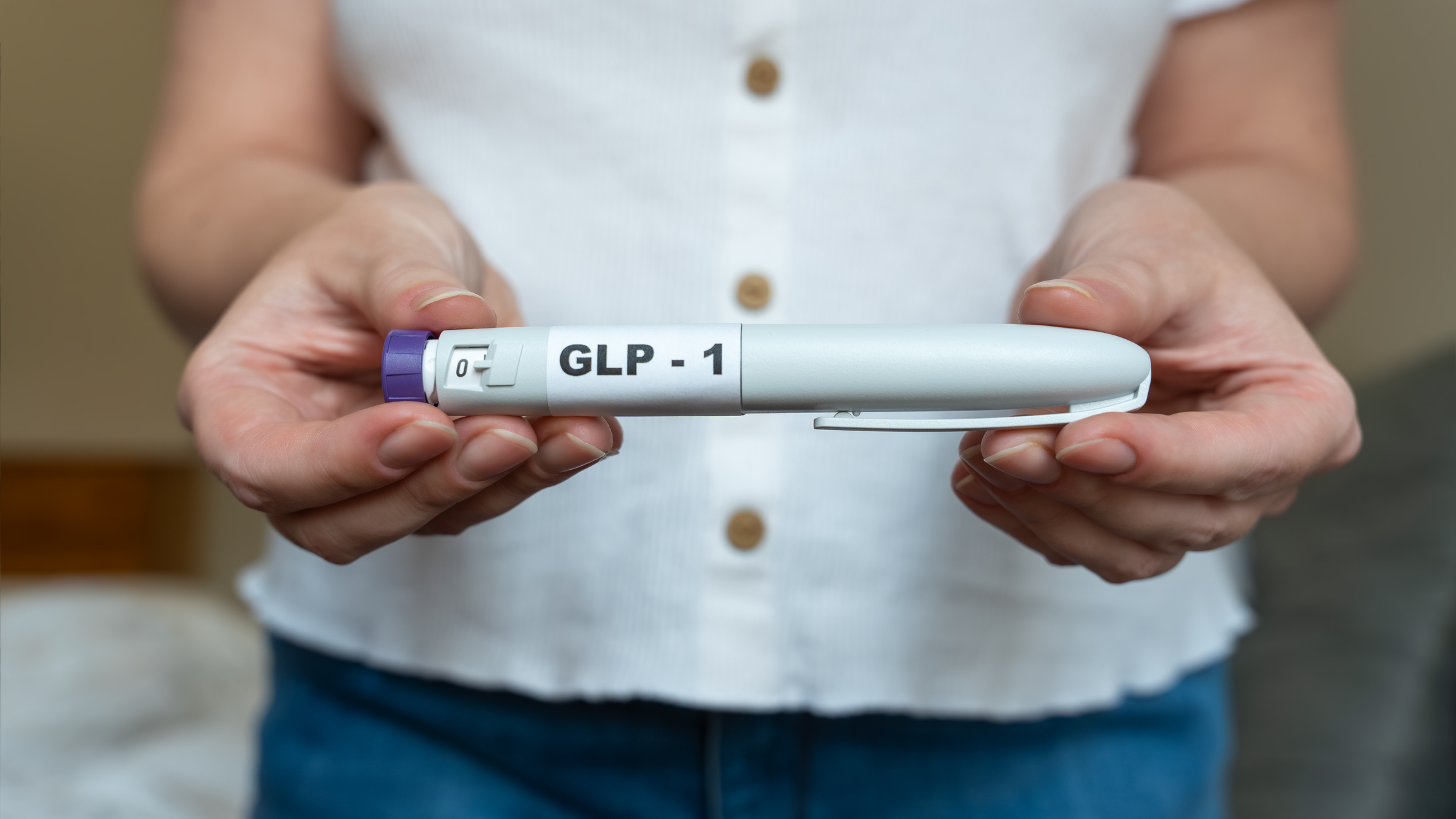
When it comes to the increasing usage of GLP-1 agonist medications (semaglutide & tirzepatide) the numbers speak for themselves. According to a recent KFF poll published in November 2025, 1 in 8 U.S. adults (12%) are currently taking a GLP-1 agonist medicine for weight loss or diabetes management. As more time has passed, and with increasing usage of these medications, our understanding of the optimal way to utilize these medications has increased.
Current manufacturer and FDA dosing instructions recommend once weekly subcutaneous injection for both semaglutide & tirzepatide. The extended half-life of 5-7 days allows perfectly for once weekly administration and after roughly 4-5 weeks, steady-state levels are achieved. Most patients notice continued control of appetite and cravings with minimal side effects (when dosed appropriately) with the once weekly dosing schedule. However, some patients do notice a decrease in effectiveness 5-6 days after their last injection. Unfortunately, some will also experience the well described side effects of nausea, vomiting, gastrointestinal distress, constipation and/or diarrhea. In these scenarios providers have options in how to manage these effects while continuing to work towards treatment goals.
To help manage (and optimize) the effects of these medications, many have turned to either a microdosing or split dosing schedule to optimize treatment. Microdosing is using a smaller than recommended dose of a substance. The intentions can be to slowly increase to an optimal higher dose or take advantage of alternative benefits that are present at a lower dose. Appetite & craving control, renal & cardiac protection, obstructive sleep apnea and reduced addictive behaviors are all potential benefits of GLP-1 agonists found at lower doses. There are many medications that are utilized in this fashion that can be beneficial beyond their original FDA indication (i.e. tadalafil, finasteride, naltrexone). Split-dosing is simply administering a smaller amount of the medication more frequently. While considered “off-label” administration, some patients note significant improvements in steady-state appetite control without side effects when utilizing the lower, more frequent dosing. To this point there are no medical studies comparing the efficacy of split dosing vs once weekly dosing so we are currently relying on anecdotal feedback from patients, but the responses with many are very positive. In the appropriate context with the appropriate patient, split dosing can be extremely advantageous.
Most medical weight loss specialists would recommend beginning with a once-weekly dosing schedule and then evaluating your progress. If appetite/craving control sustains throughout the week and there are no negative side effects – stick with once weekly dosing. If you are noticing your appetite and cravings beginning to resurface when you are getting close to your next injection, or bad side effects are arising, talk with your medical provider to see if microdosing or split dosing is appropriate.